

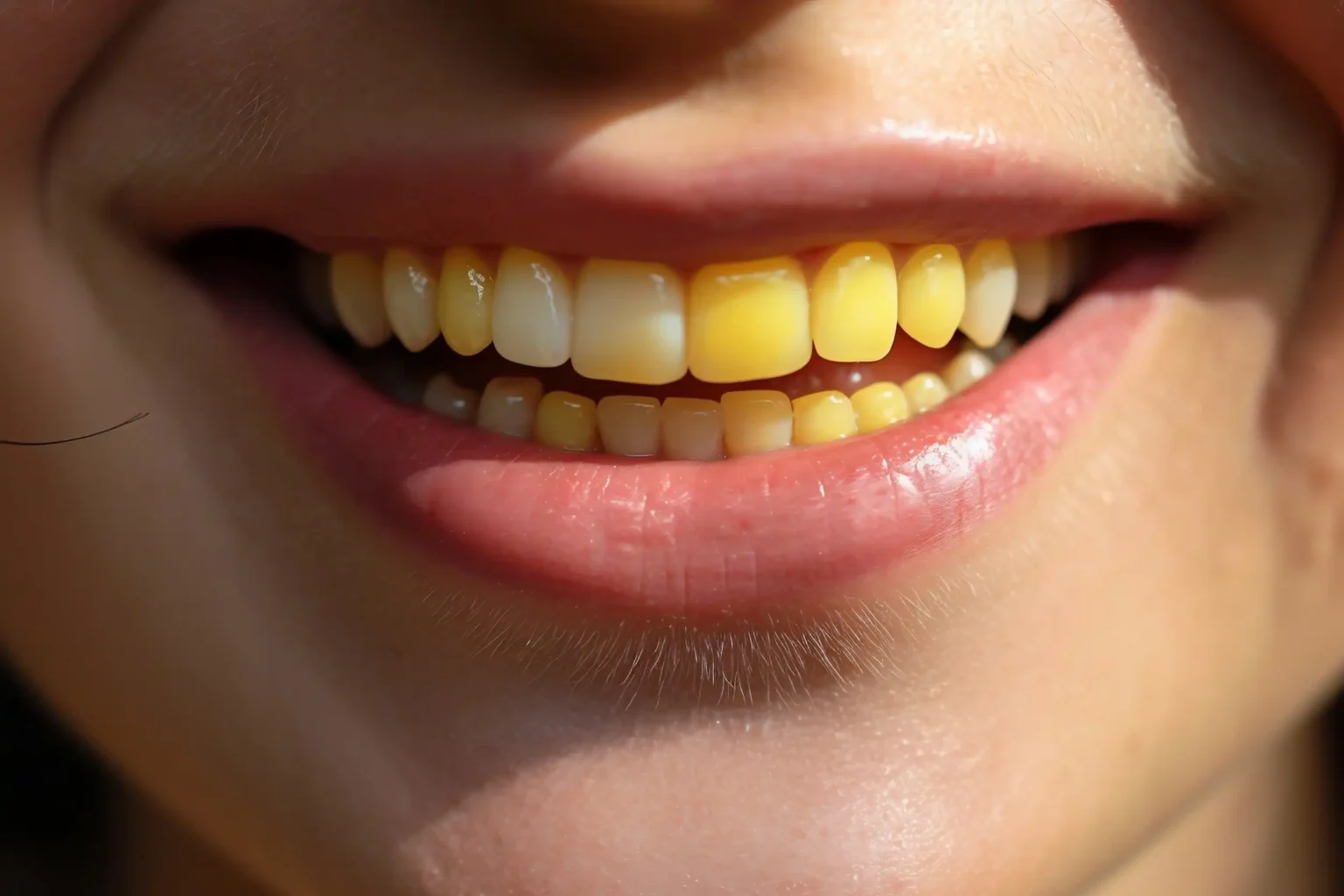
A bright smile feels simple until teeth start looking yellow. Many people notice the change slowly while brushing one morning or spotting it in photos. Yellow teeth are common and often preventable, yet the reasons behind them are not always obvious. Some causes sit on the surface, others begin deep inside the tooth.
Read this blog to understand the mechanism behind such forms of tooth discoloration in order to help with the associated anxiety and the next steps to be taken in order to address it.
Top 10 Reasons Why Teeth Turn Yellow
Teeth rarely change color overnight. In most cases, yellowing develops slowly and reflects long term exposure to certain conditions. Some causes affect only the outer enamel, while others start deeper within the tooth.
Poor Oral Hygiene
Plaque forms on teeth every day. When brushing or flossing is inconsistent, plaque thickens and hardens into tartar. This surface attracts stains easily and dulls enamel. Over time, teeth lose their natural brightness. Many people notice visible improvement simply by improving daily cleaning habits and learning proper flossing techniques.
Consumption of Staining Foods and Beverages
Dark colored foods and drinks contain pigments that settle into enamel pores. Coffee, tea, red wine, berries, and certain sauces are common contributors. Frequent exposure matters more than occasional intake. Over time, these stains become harder to remove. Understanding whitening safety helps clarify how surface stains behave and how they respond to cleaning or whitening methodologies.
Smoking and Tobacco Use
Tobacco products leave behind nicotine and tar residues that cling firmly to enamel. These compounds darken teeth gradually and often unevenly. Smoking also increases plaque buildup, allowing stains to settle faster. Discussions around oral habits often highlight how tobacco use affects both tooth color and overall oral health.
Aging
Enamel naturally thins with age. As this outer layer wears down, the underlying dentin becomes more visible. Dentin has a yellow tone, which explains why teeth may appear darker over time even with good hygiene. This process is slow and expected. Information on whitening longevity helps set realistic expectations when considering cosmetic treatments later in life.
Fluorosis
Fluoride protects teeth, but excessive exposure during early childhood can affect enamel development. Fluorosis may cause white patches or yellowish areas that sit beneath the surface. These marks differ from food stains and often require professional evaluation. Knowing about treatment safety helps when considering whitening options for intrinsic discoloration.
Medication Use
Certain medications influence tooth color. Antibiotics taken during tooth development may alter enamel formation, while some adult medications affect color over time. These changes often begin inside the tooth, making surface treatments less effective without guidance.
Genetic Factors
Tooth shade varies naturally. Some people inherit thinner enamel or darker dentin, making teeth appear more yellow even with excellent care. Genetics also influence how teeth respond to whitening. Yellowing linked to heredity does not indicate poor oral hygiene.
Teeth Grinding or Bruxism
Grinding applies repeated pressure that wears enamel down gradually. Once enamel thins, dentin becomes more visible. Many people grind their teeth during sleep without noticing. Learning about grinding control helps protect enamel and prevent further discoloration.
Trauma
Injury to a tooth may disrupt blood supply inside it. Discoloration following trauma often affects a single tooth and can appear months later. Depending on the severity, restorative options such as dental crowns in pune may help restore appearance and strength.
Dentin Exposure
Enamel erosion from acidic foods, aggressive brushing, grinding, or aging allows dentin to show through. This exposure explains why teeth may look yellow despite regular brushing.
Understanding the Type of Tooth Yellowing
Not all yellow teeth behave the same way. Knowing what kind of yellowing you are dealing with makes it easier to choose the right care or treatment.
- Surface discoloration: This type of yellowing sits on the outside of the teeth. It usually comes from coffee, tea, smoking, or certain foods and often improves with cleaning or whitening.
- Internal discoloration: Here, the color change starts inside the tooth. It may be linked to injury, medications, or fluoride exposure and usually does not respond much to regular whitening toothpaste.
- Mixed discoloration: Some people have both surface stains and internal color changes. In such cases, whitening alone may help partially, but dental guidance is often needed for better results.
How to Prevent Yellow Teeth
Preventing yellow teeth is less about quick solutions and more about everyday care. Small habits practiced consistently tend to protect tooth color better than occasional treatments.
Daily Oral Care Habits
Brushing twice a day helps remove plaque before it hardens and traps stains. Flossing cleans areas between teeth where food often settles. Gentle brushing keeps enamel strong and avoids unnecessary wear.
Food and Beverage Management
Frequent sipping of coffee, tea, or soft drinks allows stains to build up slowly. Rinsing your mouth with water after such drinks helps reduce this effect. A straw can also limit direct contact with front teeth.
Lifestyle Adjustments
Smoking is one of the strongest contributors to yellow teeth. Reducing or quitting it helps both tooth color and gum health. Drinking enough water supports saliva flow, which naturally cleans the mouth. Addressing teeth grinding early protects enamel from wearing down.
Professional Preventive Care
Routine dental cleanings remove tartar that home care cannot. Regular checkups also identify early enamel wear or discoloration before it becomes noticeable. Services related to teeth whitening often include professional cleaning as part of the process.
When Yellow Teeth Need a Dental Evaluation
Some tooth color changes go beyond appearance. These signs often mean it is better to get a professional opinion instead of trying home remedies or whitening products.
Sudden Yellowing or Darkening
- Color changes appearing within week
- Teeth looking darker without changes in diet or habits
- Uneven yellowing that does not improve with brushing
Such changes may need closer examination, sometimes supported by dental X rays to understand what is happening inside the tooth.
One Tooth Turning Yellow
- Only one tooth changing color
- Past injury, fall, or impact to the mouth
- One tooth looking dull or darker than the rest
A single discolored tooth often points to internal changes rather than surface stains, which is why proper assessment matters.
Yellowing with Pain or Sensitivity
- Sensitivity to hot or cold foods
- Pain while biting or chewing
- Swelling or discomfort around the tooth
When color change comes with pain, early care helps prevent complications that could later require treatments such as tooth extraction.
Teeth Whitening Options and What to Know
Whitening can improve tooth color, but results depend on why the teeth turned yellow in the first place. Knowing the limits of each option helps avoid frustration.
1) Professional Whitening Treatments
These treatments are carried out under dental supervision and focus on improving tooth color while keeping enamel and gums protected.
In clinic whitening
In clinic whitening uses professional grade whitening agents that work faster and more evenly than home products. Before the procedure, the dentist checks the condition of your teeth and gums to reduce sensitivity risks. Options like Zoom whitening are commonly used for visible surface stains and can noticeably brighten teeth in a short time when enamel health allows it.
Supervised take home kits
These kits are provided after a dental assessment and allow whitening to happen gradually at home. They are often suggested for people with mild discoloration or for maintaining results after an in clinic session. Guidance helps ensure safe usage without damaging enamel.
2) Over the Counter Whitening Products
Store bought whitening products are easily available, but their effectiveness varies depending on the type of discoloration.
Whitening toothpaste
Whitening toothpaste helps remove surface stains caused by food and drinks over time. Results are gradual and subtle, making them more suitable for maintaining cleanliness rather than changing tooth color significantly.
Strips and gels
Whitening strips and gels may offer temporary brightening, especially for light stains. However, they usually do not affect deeper discoloration. Overuse or improper application can increase sensitivity or irritate the gums, so caution is important.
Managing Tooth Discoloration with Professional Help
Yellow teeth develop through a mix of daily habits, biological factors, and time. Some causes are easy to manage, while others require professional insight. Awareness allows better choices, whether that means improving hygiene, adjusting diet, or considering whitening. Consistent care supports both appearance and long term oral health.
Comprehensive dental care supports more than tooth color. Services related to cleaning, restorative treatments, diagnostic imaging, and cosmetic care help maintain both dental health and appearance over time.
If tooth discoloration has started to concern you, AO Dentistry offers clinical evaluation of enamel health, dentin exposure, and stain depth to guide the right whitening or restorative approach, helping you move forward with clarity instead of trial and error.
FAQs
1) Can yellow teeth become white again?
Yes. Yellow teeth can become whiter depending on the cause. Surface stains usually respond well to professional whitening, while deeper discoloration may need dental treatments beyond whitening alone.
2) What is the main cause of yellow teeth?
The most common cause of yellow teeth is enamel staining from poor oral hygiene, frequent consumption of staining foods or drinks, smoking, and natural enamel thinning with age.
3) How do you fix yellow teeth?
Yellow teeth are treated by improving daily oral care, removing surface stains through professional cleaning or whitening, and addressing deeper causes such as enamel wear or internal discoloration with dental guidance.
4) What vitamin deficiency causes yellow teeth?
Low levels of calcium and vitamins D and C can weaken enamel over time, making teeth appear more yellow by allowing the underlying dentin to show through.
5) Can vitamin D whiten teeth?
No. Vitamin D does not whiten teeth directly, but it supports enamel strength and calcium absorption, which helps prevent tooth yellowing caused by enamel weakness.