

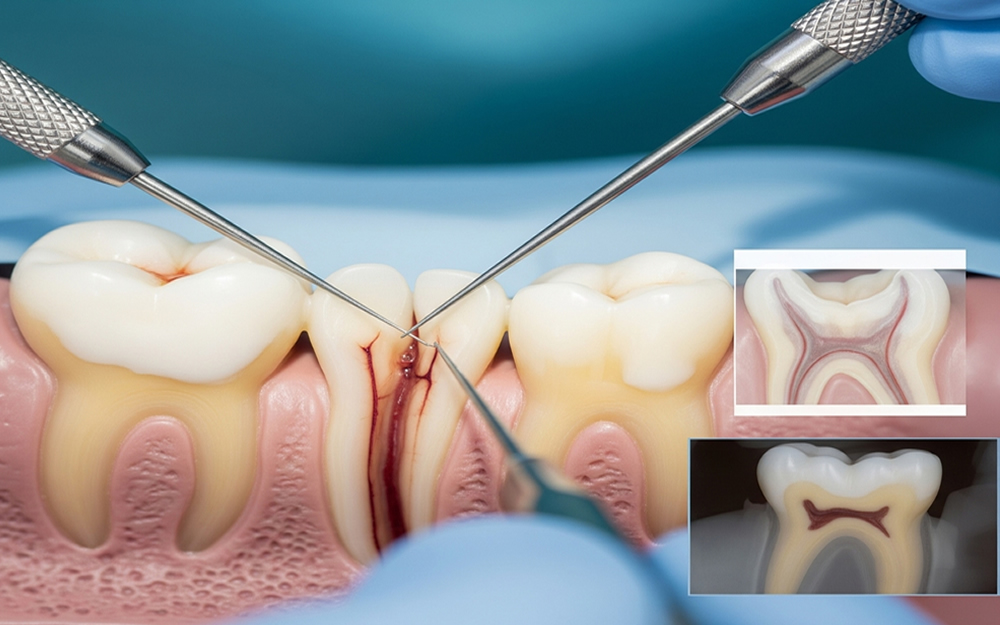
Root canal treatment has become one of the most advanced and effective procedures for saving infected or severely damaged teeth. Thanks to modern dental technology, digital diagnostics, and minimally invasive techniques, root canal therapy in 2026 is far more comfortable, precise, and predictable than many people assume.
However, many patients delay treatment because they ignore early symptoms or believe the discomfort will go away on its own. Unfortunately, untreated dental infections can spread deeper into the tooth, gums, and surrounding bone, leading to more serious oral health complications.
Recognizing the warning signs early can help preserve your natural tooth and prevent the need for extraction.
If you are experiencing ongoing tooth discomfort, sensitivity, or swelling, here are 15 common signs that may indicate you need root canal treatment.
What Is Root Canal Treatment?
A root canal treatment is a dental procedure used to remove infected or inflamed pulp tissue from inside a tooth.
The pulp contains:
- Nerves
- Blood vessels
- Connective tissue
When this inner tissue becomes infected because of decay, fractures, trauma, or deep cavities, bacteria can spread inside the tooth and cause severe pain or infection.
During root canal treatment, the dentist:
- Removes the infected pulp
- Cleans and disinfects the canals
- Seals the tooth
- Restores it with a filling or crown
The goal is to save the natural tooth while eliminating infection and discomfort.
1. Persistent Tooth Pain
One of the most common signs of needing a root canal is continuous tooth pain.
The pain may:
- Feel deep inside the tooth
- Radiate to the jaw or ear
- Increase while chewing
- Occur spontaneously without stimulation
Persistent pain often indicates inflammation or infection within the dental pulp.
2. Sensitivity to Hot or Cold Foods
Lingering sensitivity after consuming hot coffee, tea, cold drinks, or ice cream can signal nerve damage inside the tooth.
Normal sensitivity usually fades quickly. However, if discomfort continues for several seconds or minutes, the pulp may be infected or inflamed.
3. Pain While Chewing or Biting
Pain when biting down may indicate infection reaching the root area or surrounding tissues.
This can happen due to:
- Deep decay
- Cracked teeth
- Nerve inflammation
- Root infection
Ignoring bite pain can allow the condition to worsen over time.
4. Swollen Gums Around a Tooth
Localized gum swelling near a painful tooth may suggest infection spreading beyond the tooth root.
Swelling may appear:
- Tender
- Red
- Puffy
- Warm to touch
In some cases, swelling may come and go periodically.
5. Darkening or Discoloration of the Tooth
A tooth that turns gray, brown, or darker than surrounding teeth may indicate nerve damage or pulp death.
This often occurs due to:
- Trauma
- Infection
- Reduced blood supply inside the tooth
Internal discoloration is a common sign that the tooth may require root canal treatment.
6. A Pimple or Boil on the Gums
A recurring bump or pimple-like swelling near the tooth can indicate a dental abscess.
This small boil may release:
- Pus
- Bad-tasting discharge
- Fluid from infection
An abscess usually signals a serious bacterial infection requiring immediate dental attention.
7. Prolonged Tooth Sensitivity
If tooth sensitivity becomes increasingly intense or frequent over time, the inner pulp tissue may be severely inflamed.
You may notice discomfort even from:
- Breathing cold air
- Drinking room-temperature liquids
- Mild pressure on the tooth
Progressive sensitivity should never be ignored.
8. Cracked or Chipped Tooth
A cracked or fractured tooth can expose the pulp to bacteria.
Even small cracks may allow infection to develop deep inside the tooth structure.
Common causes include:
- Accidents
- Teeth grinding
- Hard food bites
- Sports injuries
Root canal treatment may be necessary if the crack reaches the nerve tissue.
9. Deep Tooth Decay
Large untreated cavities can eventually extend into the pulp chamber.
When decay reaches the nerve, patients often experience:
- Sharp pain
- Throbbing discomfort
- Infection
- Swelling
At this stage, fillings alone are usually insufficient.
10. Sensation of Pressure in the Tooth
Some patients describe root canal-related discomfort as pressure or heaviness inside the tooth.
This sensation may worsen:
- During chewing
- At night
- While lying down
Pressure often indicates inflammation or infection near the tooth root.
11. Loose Tooth
An infected tooth may sometimes feel slightly loose due to inflammation affecting the supporting bone and tissues.
Bacterial infection can weaken the structures holding the tooth in place.
While gum disease can also cause mobility, root infections are another possible reason.
12. Jaw Swelling or Facial Swelling
Advanced dental infections may spread into surrounding facial tissues.
Signs can include:
- Swollen jawline
- Puffy cheeks
- Facial tenderness
- Difficulty opening the mouth fully
This may indicate a spreading infection requiring urgent treatment.
13. Persistent Bad Breath
Chronic bad breath or an unpleasant taste in the mouth can result from bacterial infection inside a tooth.
Infected pulp tissue and abscess drainage may contribute to ongoing oral odor despite brushing and mouthwash use.
14. Tooth Pain That Wakes You at Night
Severe pulp inflammation often becomes more noticeable during quiet nighttime hours.
If tooth pain repeatedly disturbs sleep, it may indicate advanced nerve involvement requiring professional evaluation.
15. Previous Dental Trauma
Even if a tooth injury happened months or years ago, internal damage may gradually develop over time.
Teeth affected by:
- Falls
- Sports injuries
- Vehicle accidents
- Hard impacts
can develop delayed pulp damage that eventually requires root canal therapy.
Why Early Treatment Matters
Delaying treatment for an infected tooth can lead to:
- Severe pain
- Dental abscess formation
- Bone loss
- Spread of infection
- Tooth extraction
- Gum complications
Early diagnosis allows dentists to save the tooth before the damage becomes irreversible.
Modern root canal procedures are designed to eliminate infection while preserving natural teeth whenever possible.
Is Root Canal Treatment Painful in 2026?
One of the biggest misconceptions about root canals is that they are extremely painful.
In reality, modern root canal treatment is now:
- More precise
- Minimally invasive
- Faster
- More comfortable
- Highly technology-driven
Advanced clinics in Pune and other major dental centers use:
- Digital imaging
- Rotary root canal systems
- Laser-assisted cleaning
- Advanced anesthesia techniques
- 3D diagnostics
These innovations significantly improve patient comfort and treatment accuracy.
For most patients, root canal treatment feels similar to receiving a regular dental filling.
What Happens After Root Canal Treatment?
After treatment:
- Mild soreness may occur temporarily
- Infection gradually heals
- The tooth is restored with a filling or crown
- Normal function usually returns quickly
Proper oral hygiene and regular dental checkups help maintain the treated tooth for many years.
How Dentists Diagnose the Need for a Root Canal
Dentists evaluate several factors before recommending root canal therapy:
- Clinical symptoms
- Digital X-rays
- 3D CBCT imaging
- Tooth sensitivity testing
- Infection signs
- Gum condition
A comprehensive evaluation helps determine whether the tooth can be successfully preserved.
Final Thoughts
Root canal treatment remains one of the most effective ways to save infected or damaged natural teeth. Recognizing early symptoms can help prevent severe pain, tooth loss, and more complex dental complications.
Persistent tooth pain, swelling, sensitivity, discoloration, or chewing discomfort should never be ignored. Modern dentistry in 2026 offers safer, more comfortable, and highly advanced root canal procedures that prioritize both oral health and patient comfort.
If you are experiencing any of these warning signs, consulting a qualified dental professional early can help preserve your smile and avoid more extensive treatment later.
FAQs
1. What are the most common signs that I may need a root canal?
Persistent tooth pain, sensitivity to hot or cold foods, gum swelling, pain while chewing, and tooth discoloration are some of the most common warning signs of an infected tooth.
2. Is root canal treatment painful?
Modern root canal treatment is generally not painful because advanced anesthesia and digital dental technology make the procedure comfortable for most patients.
3. Can a tooth infection heal without a root canal?
In most cases, infected pulp tissue does not heal on its own. Delaying treatment can allow infection to spread and may eventually lead to tooth extraction or more serious complications.
4. How long does root canal treatment take?
Many root canal procedures can be completed within one or two appointments depending on the complexity of the tooth and the severity of infection.
5. What happens if I delay root canal treatment?
Untreated tooth infections can lead to severe pain, swelling, abscess formation, bone loss, and possible tooth loss over time.
6. Can a root canal-treated tooth last permanently?
With proper oral hygiene, regular dental checkups, and a protective crown when needed, a root canal-treated tooth can last for many years or even a lifetime.